

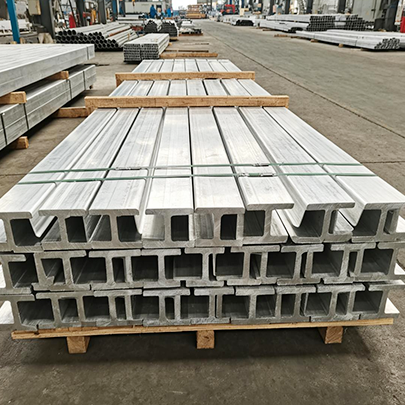
If you are searching for a versatile, high-performance material for machining, welding, cutting, and structural manufacturing,
6061 Aluminum Plate, bar, and tube are among the most widely used options in the metal fabrication industry.
Known for excellent strength, good corrosion resistance, excellent machinability, and reliable weldability, 6061 aluminum
is a preferred choice for custom fabrication projects across aerospace, automotive, marine, construction, industrial equipment,
and general engineering applications.
This guide explains the key properties, common product forms, fabrication methods, finishing options, tolerances, sizes,
and application advantages of 6061 Aluminum Plate Bar Tube products. It is designed to support SEO-focused
blog pages, category pages, product guide pages, and technical resource pages with original, industry-neutral content.
6061 aluminum is a heat-treatable aluminum alloy from the 6xxx series, primarily alloyed with magnesium and silicon.
It is widely recognized for its balanced combination of strength, corrosion resistance, formability, and machinability.
In the T6 temper, 6061 aluminum offers significantly improved mechanical performance while still remaining practical for
fabrication and machining.
Because of its versatility, 6061 aluminum is available in many stock forms, including:
The popularity of 6061 aluminum plate bar tube materials comes from their excellent all-around performance.
Fabricators and manufacturers often choose 6061 when they need a material that can be cut, drilled, welded, machined,
formed, and finished efficiently without sacrificing durability.
| Key Benefit | Description | Fabrication Value |
|---|---|---|
| High Strength-to-Weight Ratio | Lightweight compared with steel, while still offering dependable mechanical strength | Ideal for weight-sensitive parts and structures |
| Good Corrosion Resistance | Performs well in many indoor and outdoor environments | Useful for marine, transport, and exposed applications |
| Excellent Machinability | Cuts cleanly and machines predictably using standard tools | Reduces production time and tooling wear |
| Strong Weldability | Suitable for many welding processes when properly prepared | Supports custom assemblies and structural fabrication |
| Heat-Treatable | Mechanical properties can be improved through tempering | Allows performance optimization for end-use needs |
| Wide Availability | Commonly supplied in multiple shapes and dimensions | Makes sourcing and planning easier for projects |
6061 aluminum plate is a thick, flat product used in applications that require rigidity, stability, and load support.
It is frequently used for base plates, fixture plates, machine frames, support brackets, tooling components, and structural panels.
Plate is often selected when flatness, dimensional stability, and machinability are important.
6061 aluminum bar is supplied in round, square, and rectangular profiles. It is widely used for custom machining,
spacer blocks, supports, shafts, pins, connectors, and fabricated parts. Because bar stock is easy to cut and machine,
it is a common raw material for precision components and general-purpose manufacturing.
6061 aluminum tube is used where a hollow section is required to reduce weight while maintaining strength.
It is commonly used in railings, frames, enclosures, load-bearing structures, piping supports, transport systems,
and custom welded assemblies. Tube products are available in round, square, and rectangular configurations.
The mechanical properties of 6061 aluminum vary depending on temper, thickness, and processing method. The most common temper
for high-strength fabrication is 6061-T6. The table below provides typical reference values for 6061-T6 material.
| Property | Typical 6061-T6 Value | Notes |
|---|---|---|
| Tensile Strength | About 45,000 psi (310 MPa) | Strong enough for many structural and mechanical uses |
| Yield Strength | About 40,000 psi (276 MPa) | Important for load-bearing design |
| Elongation | Moderate | Provides a balance of formability and strength |
| Hardness | Moderate to relatively high | Suitable for wear-resistant applications |
| Density | About 2.70 g/cm³ | Much lighter than steel |
| Elastic Modulus | About 10,000 ksi | Useful in structural calculations |
6061 aluminum is alloyed mainly with magnesium and silicon, which contribute to its strength and heat-treatable nature.
Other elements are present in controlled amounts to improve performance and manufacturability.
| Element | Typical Composition Range | Function |
|---|---|---|
| Aluminum (Al) | Balance | Main base metal |
| Magnesium (Mg) | About 0.8% to 1.2% | Improves strength and corrosion resistance |
| Silicon (Si) | About 0.4% to 0.8% | Supports heat treatment and mechanical properties |
| Iron (Fe) | Controlled trace amount | Common residual element |
| Copper (Cu) | Small amount | Contributes to strength |
| Chromium (Cr) | Small amount | Improves stress corrosion resistance and structure stability |
Temper refers to the heat treatment and mechanical condition of the aluminum. The most common tempers for 6061 fabrication are
listed below.
| Temper | Meaning | Typical Use |
|---|---|---|
| O | Annealed, softer condition | Best for heavy forming and bending |
| T4 | Solution heat-treated and naturally aged | Good for forming before final aging |
| T6 | Solution heat-treated and artificially aged | Most common for strength-critical applications |
| T651 | T6 with stress relief by stretching | Useful when better dimensional stability is needed |
When compared with many other metals, 6061 aluminum plate bar tube products offer an excellent combination of
performance and processability. These advantages make 6061 a preferred raw material for custom fabrication projects.
Aluminum is significantly lighter than steel, which helps reduce shipping weight, handling effort, and overall structure mass.
In applications where weight reduction is important, 6061 aluminum can deliver strong performance without excess bulk.
6061 aluminum is widely known for good machinability. It can be milled, drilled, tapped, turned, and cut using standard equipment.
This makes it a practical choice for custom fabrication shops, prototype development, and high-volume machining alike.
6061 aluminum naturally resists many forms of corrosion, especially in indoor and moderately exposed environments.
With proper surface finishing such as anodizing, powder coating, or painting, its durability can be further improved.
6061 aluminum can be welded effectively using common aluminum welding processes. It is widely used in welded frames,
brackets, platforms, enclosures, and structural assemblies. Proper cleaning and joint preparation are important for best results.
Because 6061 aluminum can be fabricated into plate, bar, and tube forms, it serves many industries and many different design needs.
One alloy can often support both structural and precision machining requirements.
6061 aluminum plate bar tube materials are used in a wide range of industries. Their balance of strength, weight,
and durability makes them suitable for both functional and decorative applications.
| Industry | Common Uses | Why 6061 Works Well |
|---|---|---|
| Aerospace | Support structures, brackets, ground equipment, non-flight components | Lightweight and structurally reliable |
| Automotive | Custom brackets, frames, mounts, performance parts | Good machinability and strength-to-weight ratio |
| Marine | Hardware, railings, fittings, structural parts | Good corrosion resistance in many environments |
| Construction | Frames, supports, trims, architectural elements | Strong, lightweight, and easy to finish |
| Industrial Equipment | Machine bases, tooling plates, conveyors, guards | Stable, machinable, and durable |
| Consumer Products | Frames, housings, supports, custom hardware | Flexible for design and production |
Custom fabrication of 6061 aluminum can include a wide range of processes depending on the final shape and performance requirements.
Understanding the material’s behavior during fabrication helps improve quality and reduce waste.
6061 aluminum plate, bar, and tube can be cut using saws, CNC routers, lasers, waterjet systems, and other metal cutting equipment.
Clean cutting practices help preserve edge quality and reduce secondary finishing work.
Milling, drilling, tapping, boring, and turning are all common operations for 6061 aluminum bar and plate. Its machinability
makes it a reliable choice for precision parts and custom components.
6061 in softer tempers can be bent or formed more easily. For stronger tempers like T6, forming is more limited and may require
special process planning or pre-annealing depending on geometry.
Welding 6061 aluminum requires proper preparation, clean surfaces, and appropriate filler selection. Because heat can affect
mechanical properties near the weld zone, post-weld design should account for strength changes if the structure is load-bearing.
Common finishing methods include anodizing, powder coating, polishing, brushing, and painting. Finishing can improve appearance,
wear resistance, and corrosion resistance while also supporting branding or design requirements.
6061 aluminum plate is available in a broad range of thicknesses and cut sizes. The exact stock size depends on
supply chain availability and fabrication needs. Typical size ranges are shown below as a general reference.
| Plate Thickness | Common Use | Fabrication Notes |
|---|---|---|
| 1/8 in to 1/4 in | Light brackets, covers, panels | Easier to cut and form |
| 3/8 in to 1/2 in | Machine parts, supports, fixtures | Good balance of stiffness and machinability |
| 5/8 in to 1 in | Base plates, tooling, structural components | Provides greater rigidity |
| Above 1 in | Heavy-duty machining and structural parts | Requires more machining time and robust equipment |
6061 aluminum bar is typically supplied in round bar, square bar, and flat bar forms. Each shape has specific
advantages based on the application.
| Bar Shape | Typical Uses | Main Advantage |
|---|---|---|
| Round Bar | Shafts, pins, rollers, turned parts | Best for lathe machining and rotational symmetry |
| Square Bar | Blocks, supports, spacers, custom components | Easy to machine into defined shapes |
| Flat Bar | Brackets, strips, supports, reinforcement pieces | Useful for simple structural fabrication |
| Hex Bar | Special fasteners and custom machined parts | Convenient for wrench-ready shapes |
6061 aluminum tube is available in many wall thicknesses and dimensions. Tube can be round, square, or rectangular,
depending on structural and design requirements.
| Tube Profile | Typical Applications | Design Benefit |
|---|---|---|
| Round Tube | Frames, railings, fluid lines, lightweight structures | Good strength distribution and clean appearance |
| Square Tube | Furniture frames, construction supports, machine frames | Easy alignment and joining |
| Rectangular Tube | Architectural structures, supports, transport components | Efficient strength in one direction |
Surface finishing plays an important role in appearance, protection, and performance. The following finishing options are commonly
used for 6061 aluminum plate, bar, and tube.
| Finish Type | Purpose | Typical Benefit |
|---|---|---|
| Anodizing | Improves corrosion resistance and surface hardness | Attractive appearance and durable protection |
| Powder Coating | Provides a colored protective layer | Good decorative and weather-resistant finish |
| Brushing | Creates a linear decorative grain | Popular for visible architectural parts |
| Polishing | Improves reflectivity and surface appearance | Useful for display or premium applications |
| Mill Finish | As-produced surface from rolling or extrusion | Cost-effective and widely used |
In custom fabrication, dimensional tolerance is critical. For 6061 aluminum plate, bar, and tube, tolerance requirements depend
on the end application, machining process, and supplier standard. Tight tolerance work is especially important for precision
assemblies, structural fitment, and machine components.
Choosing the right alloy is essential. 6061 is often compared with other widely used aluminum alloys such as 5052, 6063,
and 7075. Each alloy has different strengths and tradeoffs.
| Alloy | Main Advantage | Typical Comparison to 6061 |
|---|---|---|
| 5052 | Excellent corrosion resistance and formability | Better for sheet forming; lower strength than 6061 |
| 6063 | Good extrusion quality and surface finish | Often used for architectural shapes; generally lower strength |
| 6061 | Balanced strength, machinability, and weldability | Best all-around option for custom fabrication |
| 7075 | Very high strength | Stronger than 6061 but less weldable and less corrosion-friendly |
Selecting the correct 6061 aluminum plate, bar, or tube depends on the mechanical needs of the project,
fabrication method, and final application.
| Project Need | Recommended Form | Reason |
|---|---|---|
| Flat structural base or fixture | Plate | High flatness and rigidity |
| Machined part or block component | Bar | Easy to machine into custom shapes |
| Lightweight frame or support | Tube | Strong hollow geometry with weight savings |
| Precision turned part | Round bar | Ideal for lathe operations |
| Welded assembly | Plate or tube | Useful for frames, housings, and structural builds |
To get the best results from 6061 aluminum, fabrication teams should follow process controls that support material quality
and reduce defects.
For search visibility, pages focused on this topic often target closely related keyword variations. Below are common terms
used in industry and search queries:
Yes. 6061 aluminum is widely considered one of the best general-purpose aluminum alloys for machining because it cuts cleanly,
works well with CNC processes, and supports accurate custom part production.
Yes. 6061 aluminum can be welded using suitable aluminum welding methods. Proper preparation is important, and designers
should account for changes in strength around the weld zone.
Plate is a flat, thick product used for structural and machined flat parts. Bar is a solid stock material in round, square,
rectangular, or hex forms used for shafts, blocks, supports, and machined components.
6061 aluminum tube is used for frames, railings, supports, structural assemblies, and any application where a hollow shape
helps reduce weight while maintaining strength.
The best finish depends on the application. Anodizing is popular for corrosion resistance and appearance, while powder coating
is common for colored protection. Mill finish is cost-effective and often used for internal or machined parts.
6061 aluminum plate, bar, and tube remain essential materials in modern fabrication because they combine strength,
lightweight performance, corrosion resistance, machinability, and versatility. Whether your project involves CNC machining,
welding, structural assembly, or custom part production, 6061 aluminum provides a reliable foundation for efficient and
high-quality manufacturing.
By understanding the differences between plate, bar, and tube forms, along with the importance of temper, finish, tolerance,
and fabrication method, engineers, buyers, and fabricators can choose the right 6061 aluminum fabrication material
for long-term performance and production efficiency.
Tel: +86 15053549810(Ms Zhuang)
+86 15563845999 (Mr Yu)
whatsapp: 86150535649810
Email: beckyzhuang@sdhanglv.com
Address: Huawei Big Data Industrial Park, South of Xinmin Street, Dongjiang Street,Longkou City, Yantai City, Shandong Province

WhatsApp Business
Copyright ©Shandong Hanglv International Trade Co., Ltd.. All Rights Reserved.
SitemapThis website uses cookies to ensure you get the best experience on our website.



 Phone
Phone
Comment
(0)